Quick Answer
Executive protection in Turkey combines threat assessment, close protection officers (typically retired Turkish Special Forces), secure transportation with security-trained chauffeurs, advance reconnaissance of routes and venues, and real-time intelligence monitoring. Turkey’s geopolitical complexity and business opportunities require professional security for diplomats, C-suite executives, high-net-worth individuals, and public figures. Services include advance work, risk assessment, armored vehicles (when necessary), encrypted communications, medical preparedness, and protocol coordination. Turkish Special Forces veterans bring NATO-level tactical training, cultural fluency, and calm decision-making. Most assignments use discreet protection without firearms, relying on situational awareness and threat avoidance. Contact BYZAS for confidential security assessment.
Understanding Turkey’s Security Landscape
When Fortune 500 CEOs land in Istanbul, when diplomats attend official ceremonies in Ankara, when high-net-worth individuals vacation on the Turkish Riviera—they don’t rely on luck for their safety. They rely on executive protection professionals who’ve spent decades mastering the art of keeping people safe without making them feel like prisoners.
Executive protection, often misunderstood as bodyguard services, is actually a sophisticated discipline combining risk assessment, threat intelligence, operational planning, and discreet physical security. In Turkey, a country that bridges Europe and Asia and serves as a hub for international business and diplomacy, understanding the executive protection landscape isn’t just advisable—for certain travelers, it’s essential.
Before discussing executive protection measures, it’s important to contextualize Turkey’s security environment objectively. Turkey is not a war zone, and the vast majority of visitors—including business travelers and tourists—experience no security incidents whatsoever. Istanbul, Ankara, Bodrum, Izmir, and Antalya are bustling, modern cities where millions of people live and work safely.
However, Turkey occupies a geopolitically complex position. It borders Syria, Iraq, Iran, and several other nations with active conflict zones. It has experienced sporadic security incidents, primarily targeting government and military installations. High-profile individuals—particularly those in sectors like energy, defense, finance, or government—may be perceived as targets, not because of personal animosity, but because of what they represent.
Beyond geopolitical risks, other concerns exist: kidnapping for ransom (extremely rare but not unheard of in border regions), corporate espionage, opportunistic crime targeting visibly wealthy travelers, and even aggressive paparazzi or hostile activists depending on your public profile.
For most business travelers staying at five-star hotels and attending meetings in secure corporate environments, these risks are minimal. But for C-suite executives negotiating sensitive deals, diplomats handling confidential negotiations, public figures with high recognition, or individuals who’ve received specific threats, executive protection becomes a necessary operational component.
What Executive Protection Actually Means
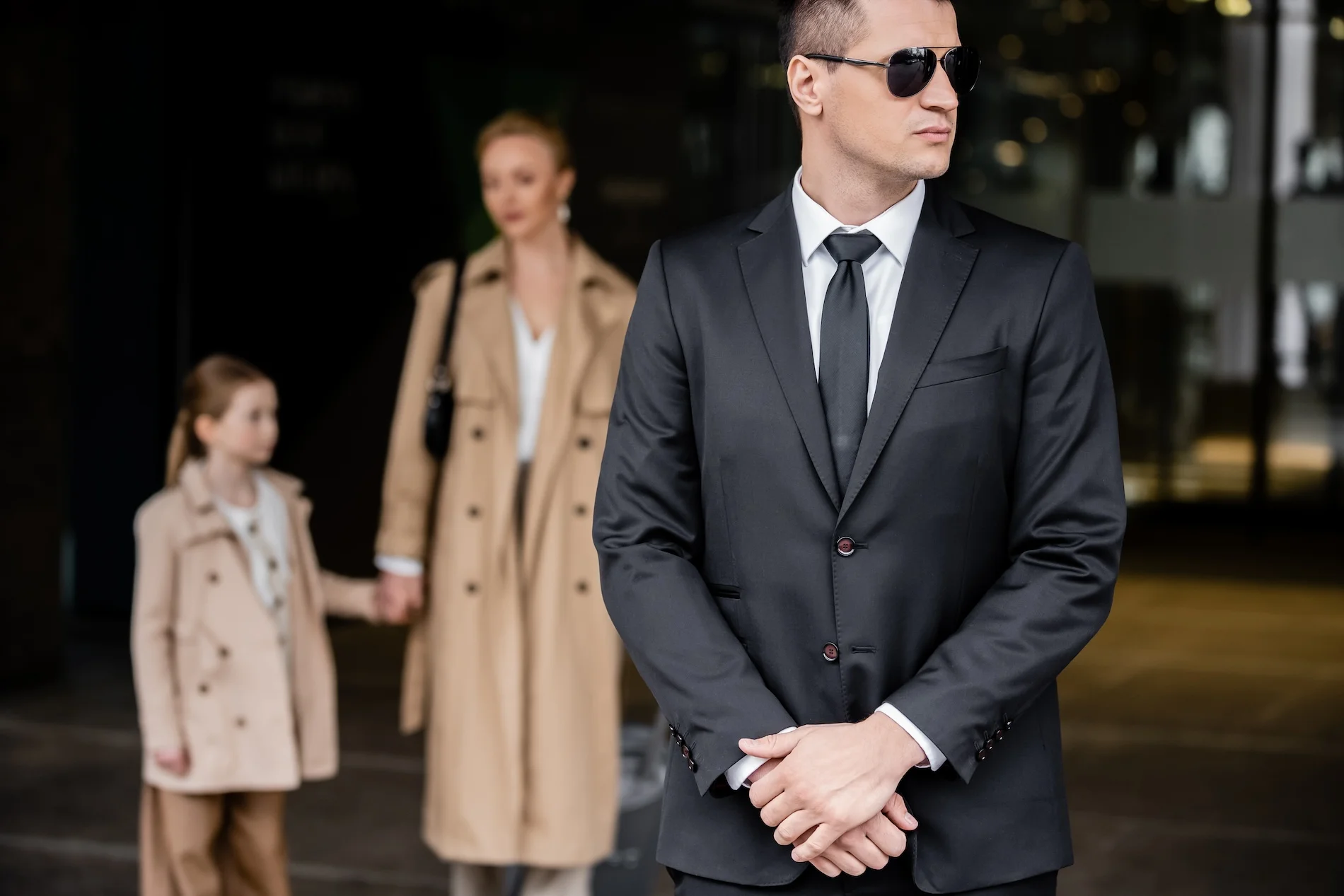
Let’s dispel some Hollywood myths. Executive protection is not about large men in sunglasses standing menacingly around you at all times. Modern executive protection, especially in urban business environments like Istanbul or Ankara, is discreet, intelligence-driven, and protocol-focused.
A professional executive protection detail in Turkey typically includes:
Advance Work and Risk Assessment
Before you even arrive, an executive protection team conducts an assessment of your itinerary, identifies potential vulnerabilities, and develops contingency plans. This includes route reconnaissance (driving planned routes at different times of day to identify choke points), venue security assessments (evaluating hotels, meeting locations, and restaurants), and threat intelligence gathering (monitoring local news, social media, and intelligence networks for relevant threats).
Secure Ground Transportation
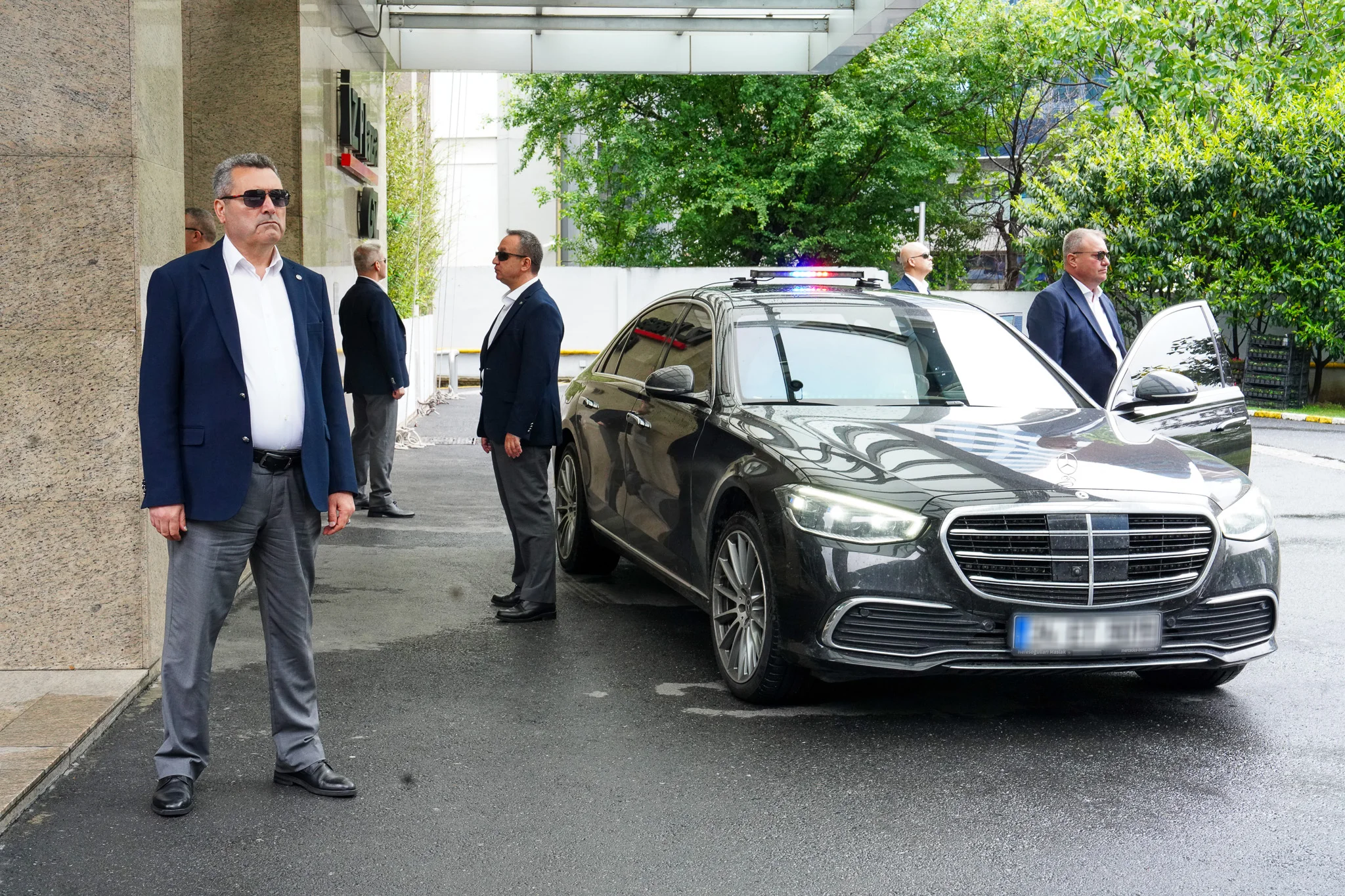
Arguably the most vulnerable phase of any executive’s day is transit between locations. Executive protection in Turkey almost always includes secure transportation with security-trained chauffeurs who have defensive and evasive driving training, armored vehicle options for high-risk scenarios, and real-time route monitoring to avoid protests, accidents, or other disruptions.
Close Protection Officers (CPOs)
When physical protection is required, close protection officers—often former military or law enforcement personnel—provide discreet yet vigilant security. In Turkey, many executive protection professionals are retired Turkish Special Forces personnel who bring decades of operational experience in threat assessment, close protection, and crisis response.
These aren’t mall security guards with two weeks of training. Turkish Special Forces undergo some of the most rigorous military training in NATO, with expertise in counter-terrorism, hostage rescue, and high-risk operations. When they transition to private executive protection, they bring that same level of discipline, situational awareness, and tactical proficiency—but applied with the subtlety and discretion required for corporate and diplomatic contexts.
Secure Communications
Modern executive protection relies heavily on encrypted communication systems, both for coordination between security personnel and for ensuring that your business communications aren’t intercepted or monitored.
Medical Preparedness
Professional executive protection teams include basic medical training and maintain relationships with private hospitals and evacuation services in case of medical emergencies.
Protocol Coordination
For diplomats and government officials, executive protection must integrate seamlessly with official protocol requirements, embassy security, and local law enforcement liaison.
Who Needs Executive Protection in Turkey?
Executive protection isn’t for everyone, and frankly, most travelers don’t need it. But certain profiles should seriously consider it:
- Diplomats and Government Officials — Anyone representing a foreign government, especially from nations with strained relationships or high-profile international positions, should have executive protection as standard operating procedure.
- C-Level Executives in Strategic Industries — CEOs, CFOs, and board members in sectors like energy, defense, finance, pharmaceuticals, and technology may be targets for corporate espionage, kidnapping, or hostile intelligence operations.
- High-Net-Worth Individuals and Family Offices — Ultra-wealthy travelers, particularly those whose wealth is publicly known, face elevated kidnapping and extortion risks.
- Public Figures and Celebrities — Anyone with significant public recognition—whether through media, social media, politics, or entertainment—may attract unwanted attention ranging from aggressive fans to coordinated harassment.
- Individuals Who’ve Received Threats — If you or your organization have received credible threats related to your travel to Turkey, executive protection should be non-negotiable.
- Executives Traveling to High-Risk Regions — While Istanbul, Ankara, and coastal resort areas are generally safe, travel to regions near conflict zones or areas with active security concerns requires enhanced protection.
How Executive Protection Works in Practice
Let’s walk through a typical executive protection scenario to illustrate how these services operate in real-world conditions:
Scenario: Fortune 500 CEO Istanbul Visit
A Fortune 500 CEO is flying to Istanbul for a 48-hour visit to negotiate a major acquisition. The visit includes confidential meetings at a local corporate headquarters, a dinner with government officials, and a brief tour of a manufacturing facility outside the city.
Phase 1: Advance Work (72 Hours Before Arrival)
The executive protection team receives the CEO’s itinerary. They conduct route reconnaissance for all planned movements, identifying primary and alternate routes between the airport, hotel, meeting venues, and the manufacturing site. They assess traffic patterns at different times of day, identify hospitals and safe havens along each route, and coordinate with the CEO’s hotel to ensure secure parking, private elevator access, and confidential check-in procedures.
The team also conducts a threat assessment: monitoring local news for protests or security incidents, checking social media for any mentions of the CEO or the company (sometimes activists target visiting executives), and liaising with local contacts including embassy security attachés if appropriate for current intelligence.
Phase 2: Arrival and Initial Movement
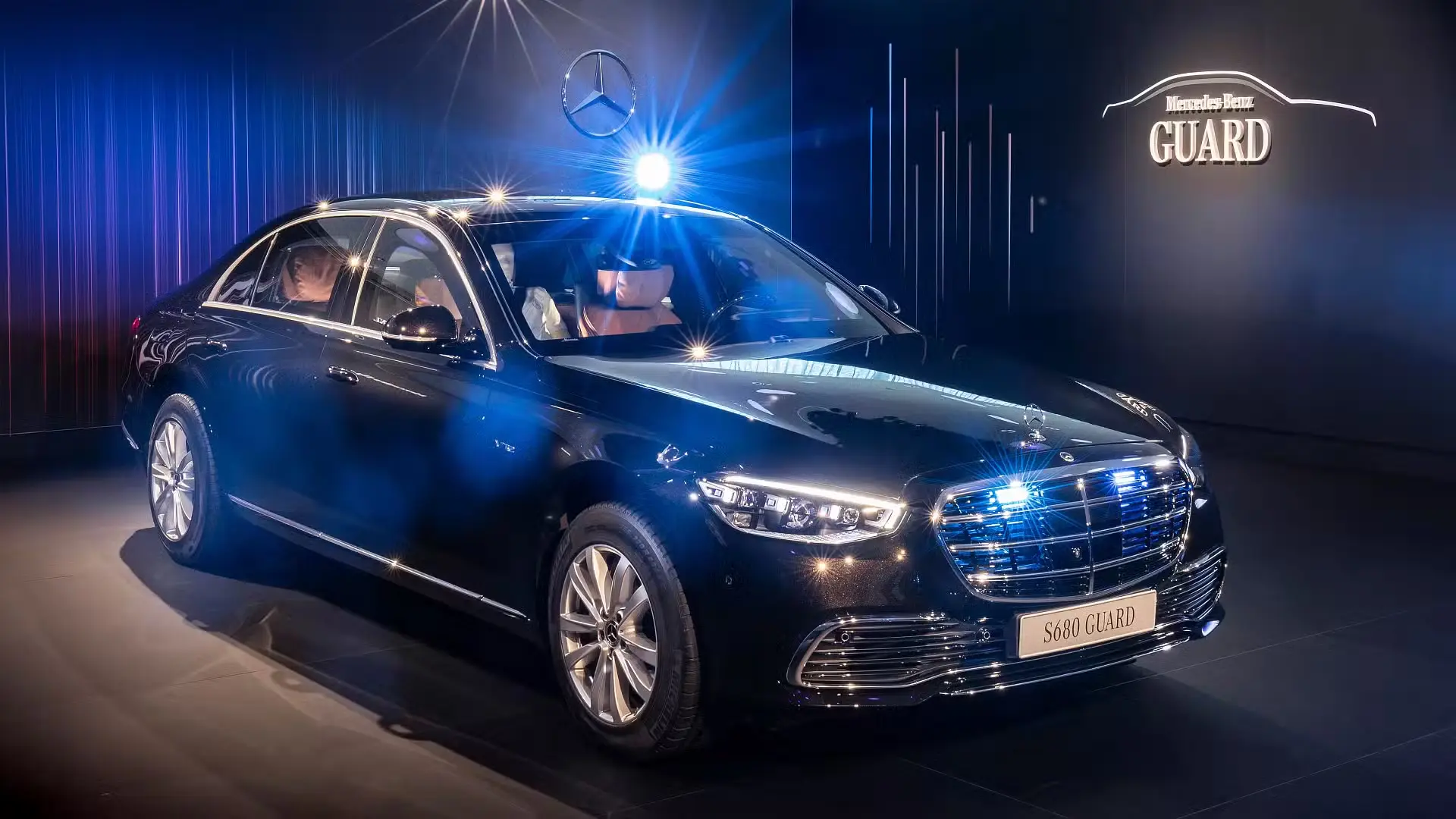
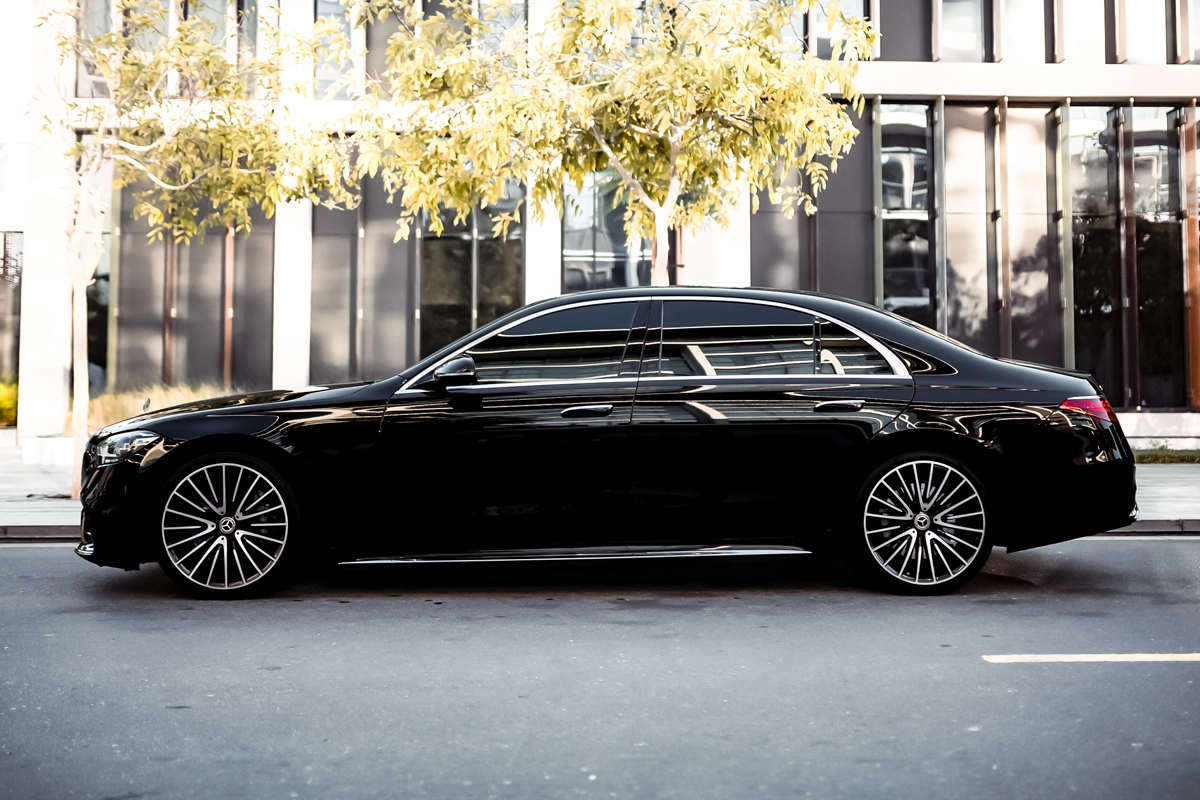
The CEO lands at Istanbul Airport. Rather than navigating the public arrivals hall, the executive protection team arranges a private VIP terminal service (available at IST for certain clients). The CEO is met aircraft-side by a close protection officer and escorted to a waiting armored Mercedes S-Class.
The chauffeur—a security-trained driver with defensive driving certification—has the route pre-programmed but monitors traffic in real-time. A second vehicle with additional security personnel follows at a discreet distance (this is called advance/follow protocol)—one vehicle scouts ahead for potential issues, the other follows to ensure no hostile surveillance.
Phase 3: Hotel and Meeting Security
At the hotel, the CEO enters through a private entrance arranged in advance. The executive protection team has already inspected the CEO’s suite, checked sightlines from adjacent buildings (sniper risk assessment, though extremely unlikely in Istanbul’s business districts, is still part of the protocol), and ensured that hotel staff with access to the floor have been vetted.
Before each meeting, the team conducts a site assessment of the venue. They coordinate with the host company’s security, identify emergency exits, and position themselves to respond instantly to any incident without disrupting the meeting.
During the dinner with government officials, protocol officers ensure that Turkish diplomatic etiquette is observed while maintaining discreet security oversight.
Phase 4: Departure
The CEO’s flight home is at noon. The executive protection team adjusts departure time from the hotel based on real-time traffic data to ensure arrival at the airport with appropriate buffer time. At the airport, the CEO is escorted to a private lounge and then to the gate, with luggage handled throughout.
Throughout the 48-hour visit, the CEO was safe, on schedule, and able to focus entirely on business—never once worried about navigating transportation, security threats, or logistical uncertainties. That’s the value of professional executive protection.
The Turkish Special Forces Advantage
It’s worth emphasizing why retired Turkish Special Forces personnel are so highly regarded in the executive protection industry. Turkey’s special operations forces—including units like the Special Forces Command (Özel Kuvvetler Komutanlığı) and the Gendarmerie Special Operations (Jandarma Özel Harekat)—are among NATO’s most capable and experienced units.
These operators have conducted real-world missions in some of the world’s most hostile environments, including counter-terrorism operations, hostage rescue, and high-value target protection.
When they transition to private security, they bring:
- Threat Assessment Expertise — The ability to identify potential threats before they materialize, based on behavioral analysis, environmental awareness, and pattern recognition honed through years of operational experience.
- Tactical Proficiency — Advanced skills in close protection formations, counter-assault tactics, and emergency response.
- Cultural and Linguistic Fluency — Native understanding of Turkish society, language, and cultural norms—essential for operating effectively without drawing unwanted attention.
- Calm Under Pressure — Psychological resilience and decision-making capability in high-stress situations that can mean the difference between a managed incident and a crisis.
When BYZAS advertises that its executive protection services include retired Turkish Special Forces personnel, this isn’t marketing hyperbole—it’s a genuine operational differentiator that places the service among the world’s most capable executive protection providers.
Armored Vehicles: When and Why
For clients with elevated threat profiles, armored vehicles may be appropriate. Armored Mercedes vehicles—typically S-Class sedans or Sprinter vans—provide ballistic protection ranging from B4 (protection against handgun fire) to B7 (protection against armor-piercing rounds and explosive devices).
Armored vehicles are not standard for most executive protection assignments. They’re expensive to operate, slower and heavier than standard vehicles, and can actually draw more attention rather than less. But for certain scenarios—diplomats from high-risk nations, executives who’ve received specific threats, travel in unstable regions, or government officials—armored vehicles are essential.
Professional providers maintain these vehicles and can arrange them with advance notice, ensuring that even highest-risk clients can operate securely in Turkey.
Selecting an Executive Protection Provider: Critical Questions
When evaluating executive protection providers in Turkey, ask these essential questions:
- What is the background of your close protection officers? Look for military or law enforcement experience, specific training credentials, and years of operational experience.
- Can you provide references from diplomatic missions or major corporations? Established providers will have verifiable relationships with embassies and Fortune 500 companies.
- How do you conduct threat assessments? Ask for specifics about intelligence sources, analysis methodologies, and how they stay current on evolving threats.
- What is your incident response protocol? Understand exactly what happens if there’s a medical emergency, security threat, or natural disaster during your visit.
- Do you have relationships with local hospitals, embassies, and law enforcement? These relationships are critical for rapid response in emergencies.
- Can you integrate with my existing security team? If you travel with corporate or personal security, ensure the provider has experience coordinating with external teams.
- What communication systems do you use? Encrypted communications are essential for maintaining operational security.
Conclusion: Security as an Enabler, Not a Constraint
The common misconception about executive protection is that it limits freedom and creates a stifling environment where every movement is restricted. In reality, professional executive protection does the opposite: it enables high-profile individuals to operate more freely because the security infrastructure is managed invisibly in the background.
With a professional executive protection team, you don’t worry about which route to take, whether your hotel is secure, or whether the restaurant you’re dining at has been properly vetted. You focus on your business, your meetings, your negotiations—confident that the people responsible for your security are thinking three steps ahead, prepared for contingencies you’ll never even know existed.
In Turkey, where business opportunities are vast but the geopolitical landscape is complex, executive protection isn’t a sign of paranoia—it’s a sign of professionalism and operational maturity. It’s what serious organizations do to protect their most valuable assets: their people.
Frequently Asked Questions
Who needs executive protection in Turkey?
Diplomats and government officials, C-level executives in strategic industries (energy, defense, finance, pharmaceuticals), high-net-worth individuals with publicly known wealth, public figures and celebrities, individuals who’ve received credible threats, and executives traveling to high-risk regions near conflict zones require executive protection in Turkey.
What qualifications do Turkish executive protection officers have?
Professional executive protection officers in Turkey are typically retired Turkish Special Forces (Özel Kuvvetler) or Gendarmerie Special Operations (Jandarma Özel Harekat) personnel. They bring advanced threat assessment expertise, tactical proficiency in close protection formations, cultural and linguistic fluency, calm decision-making under pressure, and years of real-world operational experience in high-risk environments.
Are armored vehicles necessary for executive protection in Turkey?
Armored vehicles are not standard for most executive protection assignments in Turkey. They’re recommended for diplomats from high-risk nations, executives who’ve received specific threats, travel in unstable border regions, or government officials. Most urban executive protection relies on defensive tactics, situational awareness, route planning, and security-trained drivers rather than armored vehicles.
How much does executive protection cost in Turkey?
Executive protection costs vary based on threat level, duration, team size, and vehicle requirements. Basic close protection with one officer and secure transportation starts around €800-1,200 per day. Full protection details with multiple officers, armored vehicles, and advance reconnaissance range €3,000-8,000+ per day. Contact professional providers for confidential threat assessments and accurate pricing.
Can executive protection teams carry firearms in Turkey?
Firearms are heavily restricted for private security in Turkey. Most executive protection in urban environments relies on defensive tactics, situational awareness, and operational planning rather than armed response. Diplomatic security details have different regulations. Reputable providers are fully licensed, comply with Turkish regulations, and focus on threat avoidance rather than armed confrontation.