Quick Answer:
The 2026 NATO Summit in Ankara requires coordinated diplomatic transportation, B6/B7 armored vehicle logistics, secure route planning through Ankara’s government district (Çankaya-Beştepe corridor), and 24/7 executive protection services. International delegations need advance coordination with Turkish Ministry of Foreign Affairs, specialized chauffeurs with NATO-level security clearances, and real-time intelligence monitoring. Key challenges include managing 30+ motorcades simultaneously, coordinating with Turkish National Police escort protocols, and ensuring seamless airport-to-venue transfers across Ankara’s complex security zones. Professional providers must maintain encrypted communications, backup transportation plans, and integration with embassy security teams. Contact BYZAS for NATO Summit logistics coordination.
NATO Summit 2026: Why Ankara and What It Means
The 2026 NATO Summit represents one of the alliance’s most strategically significant gatherings in recent decades. Hosted in Ankara—Turkey’s political capital and the nerve center of its government—the summit brings together heads of state, defense ministers, military commanders, and diplomatic corps from all 32 NATO member nations plus partner countries.
Turkey’s selection as host reflects its critical geopolitical position: bordering Russia’s Black Sea sphere of influence, adjacent to conflict zones in Syria and Iraq, and serving as NATO’s southeastern anchor. The summit venue, likely the Presidential Complex in Beştepe or the Foreign Ministry’s conference facilities in Çankaya, places delegations at the heart of Ankara’s government district—an area where security protocols are already stringent under normal circumstances.
For professional executive transportation providers and diplomatic security teams, the NATO Summit presents unprecedented operational complexity. Unlike routine diplomatic visits, NATO Summits involve:
- Simultaneous Arrivals — 30+ heads of state arriving within a 24-hour window at Esenboğa Airport
- Multi-Venue Coordination — Official summit sessions, bilateral meetings, cultural events, and press conferences across Ankara
- Layered Security Zones — Turkish National Police perimeter security, embassy close protection teams, and NATO military coordination
- Protocol Complexity — Strict diplomatic precedence, motorcade order, arrival sequencing, and ceremonial requirements
- Real-Time Intelligence — Continuous threat assessment, protest monitoring, and route adaptation
Ankara’s Security Landscape for High-Profile Events
Ankara operates under a fundamentally different security paradigm than Istanbul. While Istanbul is a commercial metropolis with distributed security concerns, Ankara is a purpose-built government city where security architecture is embedded in urban planning. Understanding this distinction is critical for NATO Summit transportation planning.
The Government Quarter: Çankaya-Beştepe Corridor
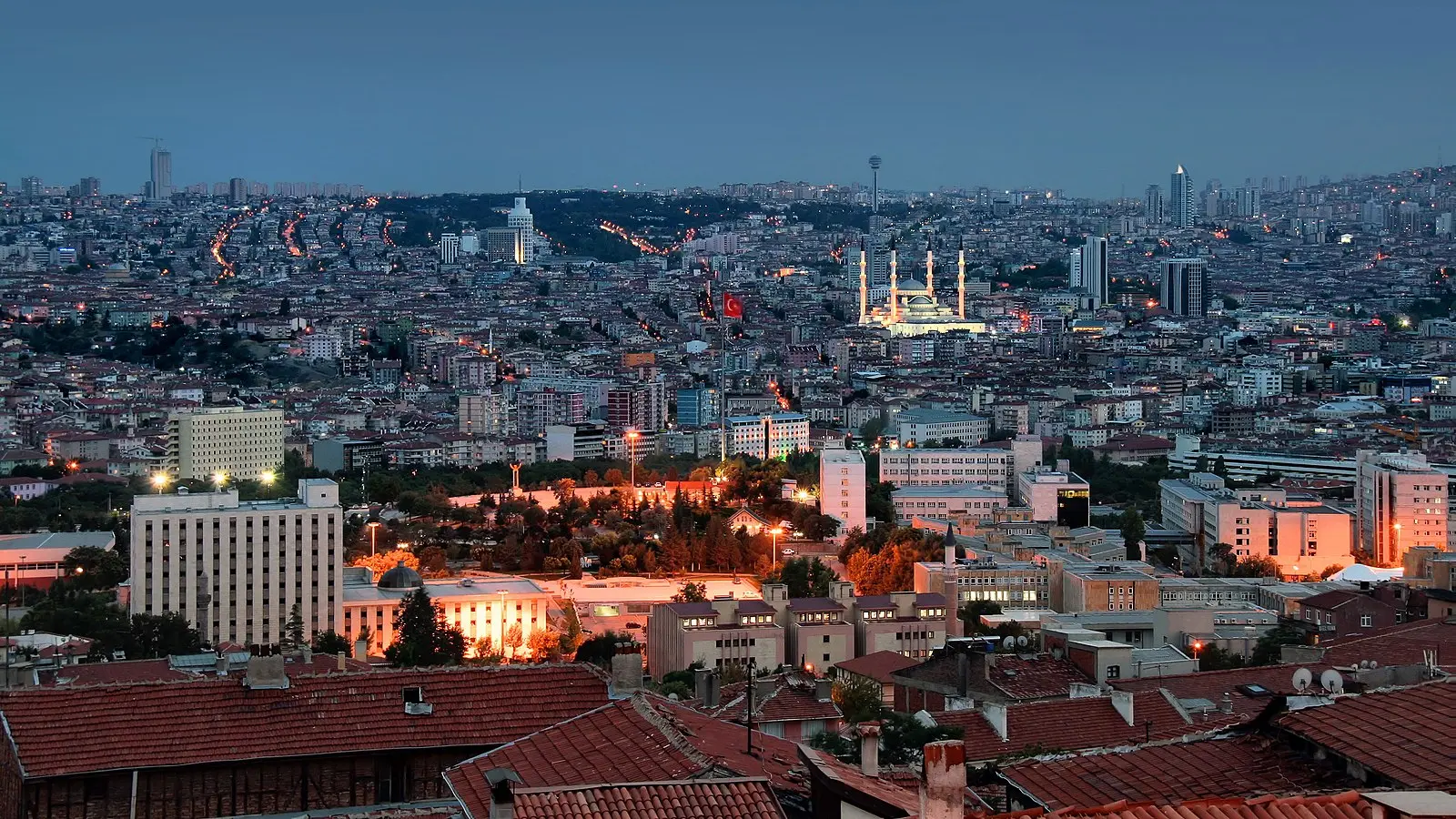
Ankara’s government district stretches from the historic Çankaya neighborhood (where Atatürk’s presidential residence established the political center) to the modern Presidential Complex in Beştepe. This 12-kilometer corridor represents Turkey’s highest-security urban zone, with multi-layered checkpoints, restricted airspace, and sophisticated surveillance systems.
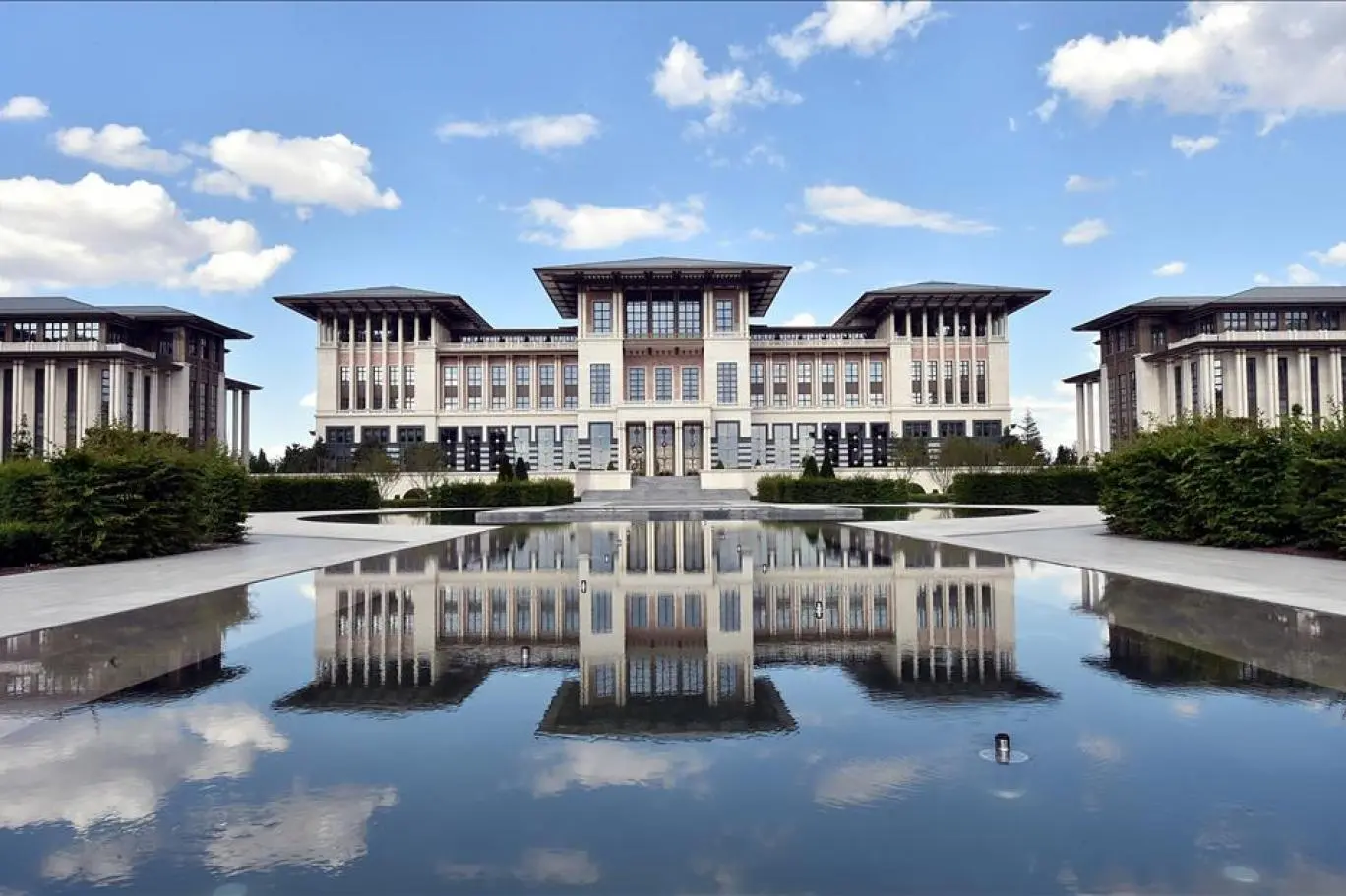
During NATO Summit operations, this corridor becomes a closed security zone. Civilian traffic is diverted, public transportation rerouted, and all vehicle movements tracked in real-time. For delegation motorcades, this means coordination with Turkish National Police (TNP) escort units, pre-approved route manifests, and vehicle identification credentials verified at multiple checkpoints.
Esenboğa Airport: The Critical Entry Point
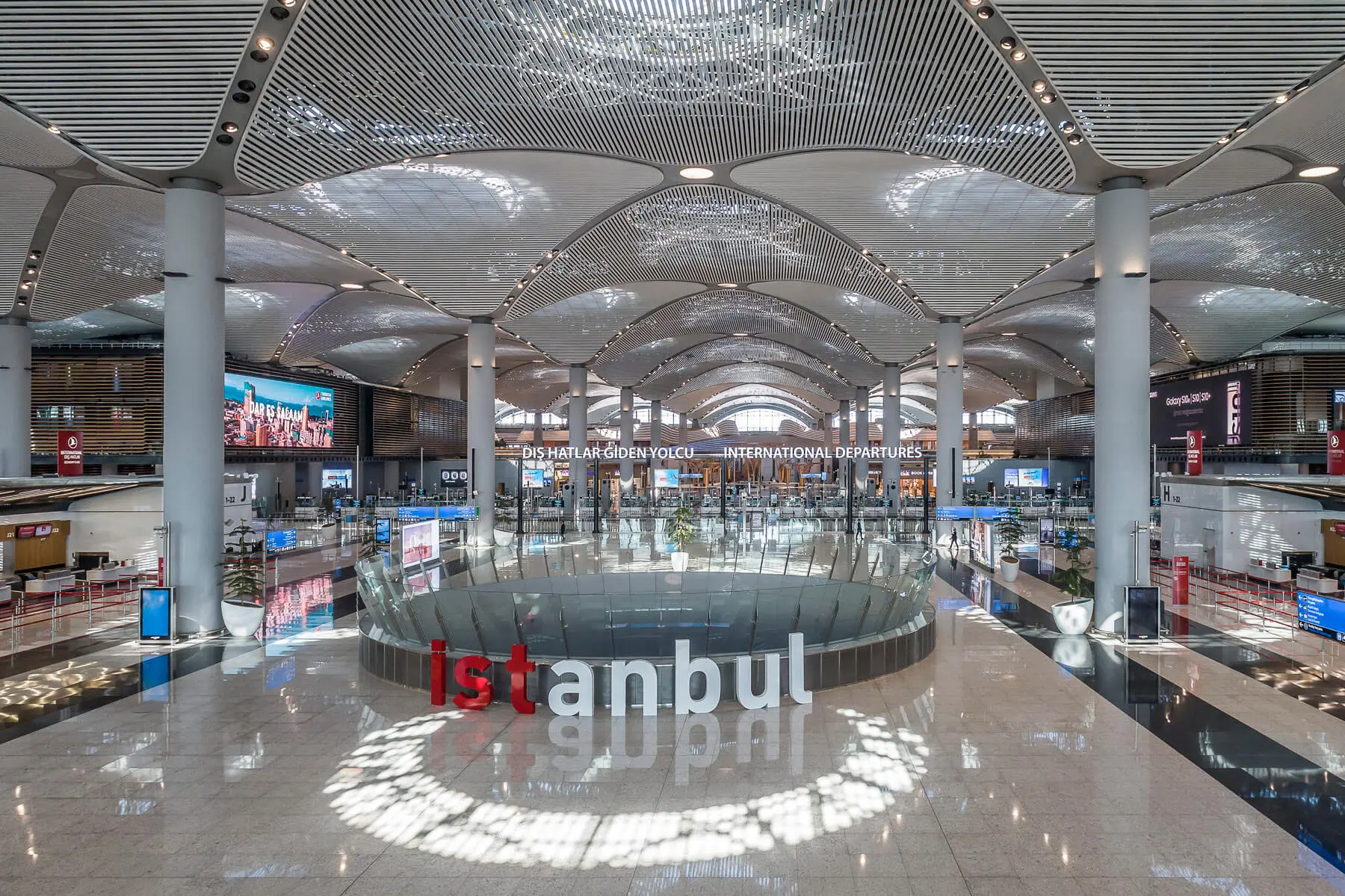
Ankara Esenboğa Airport (ESB) serves as the primary arrival point for NATO delegations. Unlike Istanbul’s dual-airport complexity, Esenboğa offers centralized operations—but during summit periods, the airport’s VIP terminal operates under maximum security protocols.
Delegations arriving via military or government aircraft utilize the airport’s dedicated apron for official state visitors, located separately from civilian terminals. Ground transportation coordination must account for:
- Aircraft-to-vehicle transfer under secure conditions (often using mobile jetways or armored stair vehicles)
- Customs and diplomatic courtesies processed in controlled environments
- Motorcade formation before airport exit, typically requiring 15-20 minutes even with pre-positioning
- Airport-to-city route selection (E90 highway to Eskişehir Road is standard, but summit periods may mandate alternate routes)
VIP Transportation Logistics: Routes, Timing & Protocols
Successful NATO Summit transportation requires understanding that routes are not chosen—they are assigned and coordinated. Turkish security authorities designate primary and backup routes based on real-time intelligence, protest activity, and infrastructure status. Our detailed diplomatic black car protocols guide covers NATO delegation logistics.
Primary Routes and Timing
Esenboğa Airport to Presidential Complex (Beştepe): Distance: 28 kilometers Normal travel time: 35-40 minutes Summit motorcade time: 25-30 minutes (with police escort and cleared routes) Primary route: E90 → Eskişehir Yolu → Konya Yolu → Presidential Complex
Hotel District (Çankaya) to Summit Venues: Most delegations stay in Çankaya’s diplomatic quarter (Sheraton Ankara, Hilton Ankara, or JW Marriott). Morning commutes to Beştepe during summit hours require 20-25 minutes with escort, but traffic is strictly scheduled to avoid motorcade congestion. Use an Ankara chauffeur service for diplomatic missions that understands security clearance protocols, vets drivers 48 hours in advance, and coordinates arrival timing to avoid security bottlenecks.
Motorcade Protocols and Sequencing
NATO Summits follow strict arrival and departure sequencing based on diplomatic protocol. Heads of state arrive in order of seniority (determined by date of NATO accession or protocol agreements), with gaps of 8-10 minutes between motorcades to prevent bottlenecks at secure checkpoints.
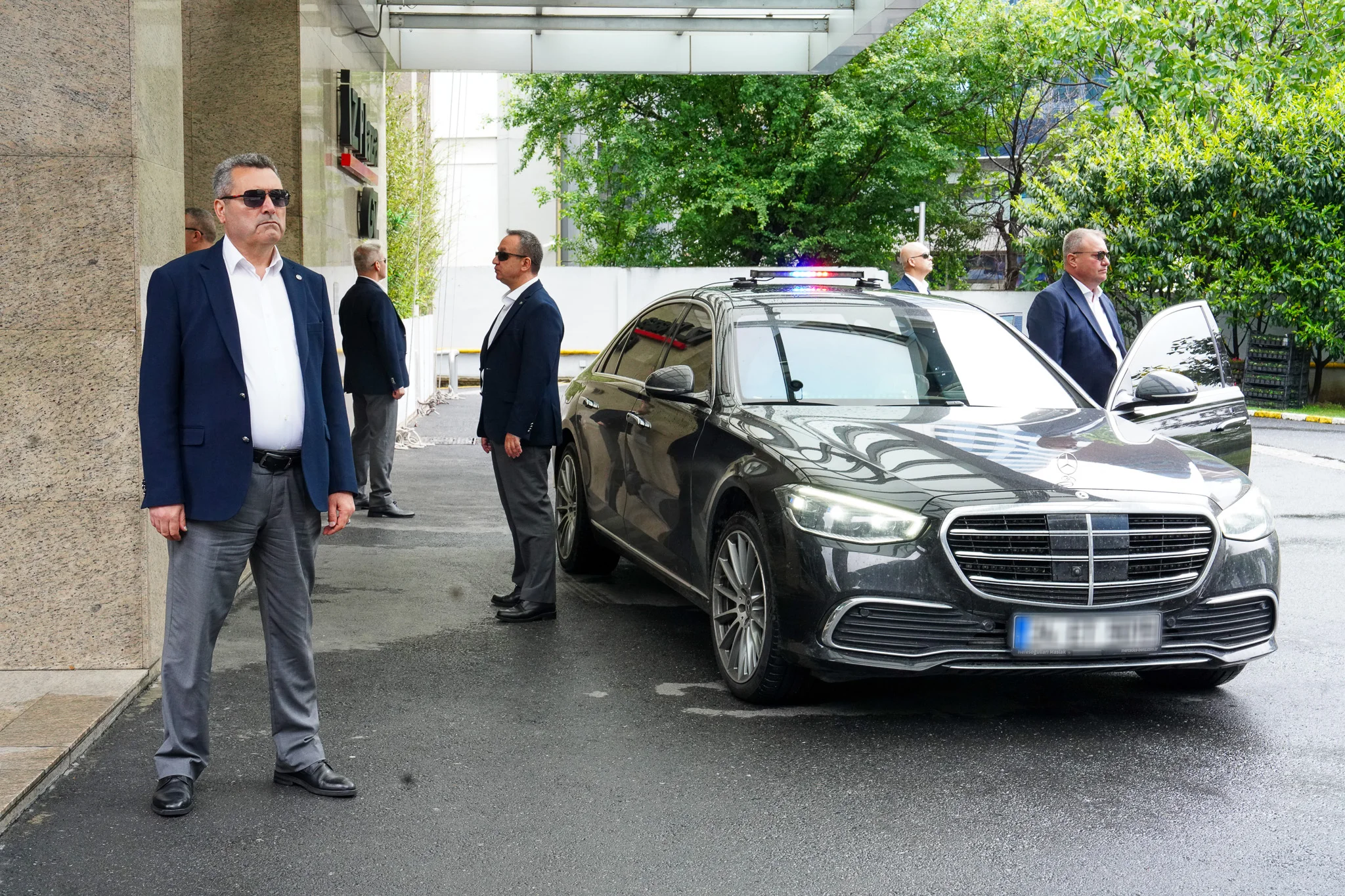
A typical head-of-state motorcade during the NATO Summit includes:
- Lead Vehicle: Turkish National Police motorcycle escort (2-4 motorcycles)
- Advance Vehicle: Turkish National Police follow vehicle
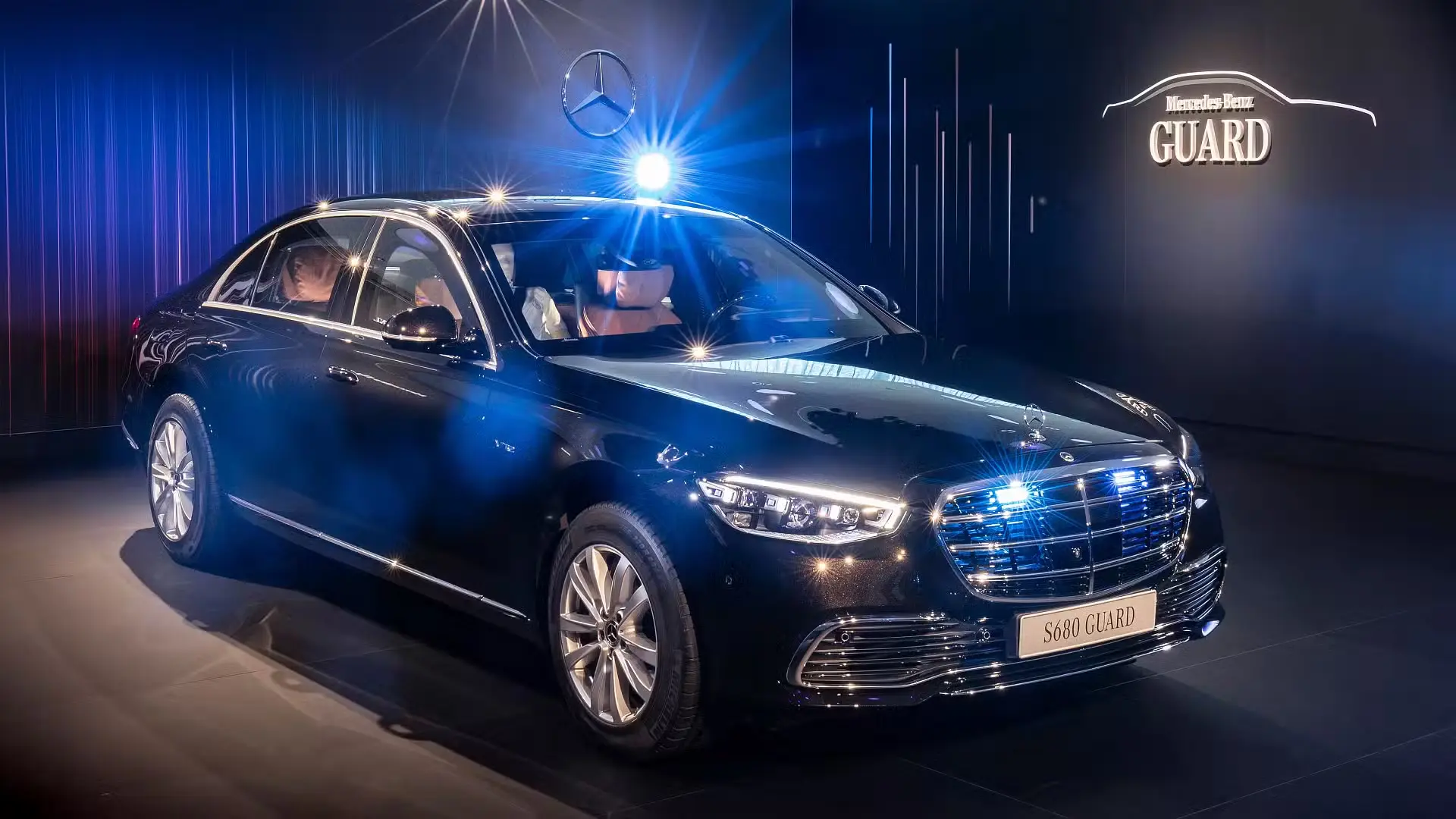
- Primary Vehicle: Armored limousine (often brought by delegation) or host-nation provided B7 Mercedes-Benz Guard
- Follow Vehicle 1: Close protection detail and diplomatic staff
- Follow Vehicle 2: Additional security and embassy personnel
- Support Vehicle: Communications equipment and medical support
- Rear Escort: Turkish Police follow vehicle
Professional transportation coordinators must maintain encrypted radio contact with all vehicles, Turkish security command centers, and embassy operations rooms simultaneously.
Armored Vehicle Requirements for NATO Delegations
Armored vehicle logistics for the NATO Summit differ significantly from routine VIP transportation. Many delegations bring their own armored vehicles via military cargo aircraft, but supplemental vehicles, backup units, and support staff transportation require coordination with professional armored vehicle providers in Turkey. Deploy Ankara armored vehicle rentals with diplomatic clearance coordination and Turkish National Police pre-notification to ensure seamless delegation support.
B6 vs B7: Which Protection Level?
B7 Protection (VR9/NIJ Level IV) is standard for heads of state and defense ministers during NATO Summit operations. B7 armoring defeats armor-piercing rifle rounds including 7.62x51mm NATO and 5.56x45mm ammunition. Turkey’s threat environment during high-profile international events justifies this protection level.
B6 Protection (VR7/NIJ Level III) is appropriate for deputy ministers, senior diplomatic staff, and support personnel. B6 provides protection against handgun fire and standard rifle rounds (7.62x39mm AK-pattern weapons), which represents adequate security for non-principal personnel.
Fleet Management During Summit Operations
A single NATO delegation typically requires:
- 2 armored vehicles for principal protection (primary + backup)
- 3-4 armored SUVs for security detail and senior staff
- 2-3 standard executive vehicles (Mercedes V-Class or similar) for support staff
- 1 communications/command vehicle
With 32 member nations plus partner countries, summit operations can require coordinating 200+ vehicles simultaneously—making advance logistics planning and centralized coordination essential.
Secure Your NATO Summit Armored Vehicles Now
B6 & B7 Mercedes-Benz Guard vehicles with NATO-experienced drivers
Reserve Armored Vehicles →
Executive Protection Services for International Delegates
NATO Summit executive protection services integrate three layers of security: host-nation (Turkish) outer perimeter security, embassy/national close protection teams, and professional ground transportation security.
Turkish Special Forces Integration
BYZAS employs retired Turkish Special Forces (Özel Kuvvetler) personnel who bring NATO-standard training, cultural fluency, and established relationships with Turkish security services. During summit operations, these professionals serve as liaison between international security details and Turkish authorities—a role that proves critical when real-time route changes or emergency protocols activate.
24/7 Operations Centers
Professional NATO Summit transportation providers operate dedicated operations centers with:
- Real-time GPS tracking of all delegation vehicles
- Encrypted communications with drivers, security teams, and Turkish police coordination
- Live traffic monitoring and route optimization
- Protest activity tracking and threat intelligence integration
- Medical emergency coordination with Ankara’s international hospitals
- Backup vehicle deployment capability within 10 minutes
Common Mistakes Delegations Make (and How to Avoid Them)
Mistake 1: Assuming Embassy Resources Are Sufficient
Even well-resourced embassies struggle during NATO Summit periods when principal visits coincide with dozens of other high-level delegations. Embassy motor pools designed for routine operations cannot scale to summit demands. Professional providers augment embassy resources without creating operational dependencies.
Mistake 2: Booking Transportation Too Late
Armored vehicle availability in Ankara is limited even during normal periods. During NATO Summit operations, demand exceeds supply by orders of magnitude. Delegations booking less than 90 days before the summit face limited vehicle options, premium pricing, and potential gaps in security coverage.
Mistake 3: Underestimating Ankara’s Traffic Dynamics
While Ankara’s traffic is generally lighter than Istanbul’s, government district movements during summit operations follow different rules. Road closures, checkpoint delays, and motorcade sequencing mean that “normal” travel times become irrelevant. Only providers with summit experience understand actual operational timing.
Mistake 4: Failing to Coordinate with Turkish Authorities
Turkish security services require advance notice of vehicle specifications, driver credentials, and route plans. Delegations arriving without pre-coordination face delays at checkpoints, potential security challenges, and operational friction that compromises schedules.
Esenboğa (ESB) VIP & FBO Apron Access
Ankara Esenboğa Airport (ESB) operates a dedicated General Aviation (FBO) terminal separate from the main civilian concourse, specifically designed for state visits and official delegations. During the NATO Summit, this FBO terminal becomes the primary arrival and departure hub for all heads of state and ministerial delegations.
FBO Apron Access Protocol:
Access to the FBO apron for armored vehicles requires mandatory pre-accreditation submitted no less than 72 hours before the scheduled arrival. Turkish Civil Aviation Authority (SHGM) protocols govern all apron vehicle movements, and vehicles must display official summit transponder credentials approved by the Turkish National Police and Ministry of Foreign Affairs.
Armored vehicles proceeding directly from the aircraft to the FBO terminal undergo three-stage security verification: vehicle ballistic certification documentation, driver GBT (General Border Police) clearance, and physical inspection at the apron entry checkpoint. BYZAS coordinates all pre-accreditation filings as part of its standard NATO Summit package, eliminating delegation administrative burden.
Fleet Positioning Requirements:
During summit operations, BYZAS pre-positions armored vehicles at the FBO apron 45 minutes before scheduled delegation arrivals. The fleet configuration follows a standardized motorcade formation—lead follow vehicle, principal armored Mercedes-Benz Guard S-Class, and rear escort—allowing immediate departure upon delegation boarding without requiring in-terminal vehicle staging.
Beştepe Presidential Complex Security Protocols
The Beştepe Presidential Compound (Cumhurbaşkanlığı Külliyesi) represents Turkey’s highest-security government facility and the primary venue for NATO Summit official sessions. Entry protocols at Beştepe differ substantially from standard VIP transport operations, requiring explicit ballistic certification and specialized driver credentials.
B6/B7 Ballistic Certification Requirements:
All vehicles entering the Beştepe compound perimeter must carry verified B6 (VR7/NIJ Level III) or B7 (VR9/NIJ Level IV) ballistic certification issued by recognized testing authorities. BYZAS maintains current certification documentation for its entire armored fleet, with certifications cross-referenced against Turkish National Police vehicle approval registries. Delegations utilizing BYZAS vehicles receive pre-vetted documentation packages that accelerate compound entry processing by an estimated 12-15 minutes per vehicle.
Driver GBT and NATO Security Clearance:
All BYZAS chauffeurs operating within the Beştepe security zone hold current GBT (General Border Police) security clearance, validated through the Turkish National Police electronic verification system. For delegations requiring NATO-standard security vetting, BYZAS coordinates parallel clearance processing through NATO’s Industrial Security program, ensuring driver credentials meet both Turkish national and alliance verification requirements.
Communications Jamming Countermeasures:
The Beştepe compound operates active electronic communications jamming systems as part of its standard security infrastructure. BYZAS equips all vehicles assigned to compound operations with independent satellite communications systems (Iridium-based) that remain functional within the jammer perimeter, maintaining continuous coordination capability between vehicle convoys, embassy operations rooms, and BYZAS command center.
Diplomatic Staging & Secure Hotel-to-Venue Routing Coordinates
Ground transit for delegation officials staying at diplomatic hub hotels—specifically the Sheraton Ankara and Hilton Ankara in Çankaya, and the JW Marriott in Söğütözü—demands strict synchronization with Beştepe security coordinates. While the direct route from Çankaya to Beştepe via Eskişehir Road (O-9) is standard, peak summit hours generate massive congestion at the Armada junction and the Ministry of Foreign Affairs underpass.
To mitigate convoy exposure, BYZAS security dispatch utilizes two alternative corridors: the southern route via Konya Road (D-750) and Mevlana Boulevard, or the northern route traversing Celal Bayar Boulevard. BYZAS stages backup vehicles at designated security checkpoints along these corridors—specifically at the Çetin Emeç interchange and the Söğütözü metro junction—allowing for immediate tactical extraction or vehicle swap. For high-threat delegations, B7 armored vehicle rentals in Ankara coordinate with the Turkish National Police protection branch to secure rolling green-light corridors, ensuring the principal vehicle maintains continuous forward momentum.
Çankaya Embassy Row & Secure Routing
Ankara’s Çankaya district houses the largest concentration of diplomatic missions in Turkey, with embassies and consulates along Atatürk Bulvarı and Paris Caddesi comprising the formal Embassy Row. During the NATO Summit, this area experiences exceptional protocol traffic as bilateral meetings, reception events, and inter-delegation consultations generate continuous motorcade movements.
Embassy Row Traffic Management:
The Çankaya Embassy Row operates under continuous Turkish National Police traffic management during summit periods. Primary routes along Atatürk Bulvarı and Paris Caddesi experience rolling closures synchronized with motorcade movements. BYZAS operations center maintains real-time coordination with TNP traffic command, receiving automated notifications of route status changes and adjusting convoy departure timing accordingly.
Alternative Evacuation Routes:
Beyond primary routes, BYZAS pre-maps and pre-positions assets along three designated alternative evacuation corridors: the İncek route (connecting to Ankara’s western ring road via Konya Yolu), the Turan Güneş route (paralleling the presidential complex’s northern perimeter), and the Eskişehir Yolu emergency corridor. All three routes feature 7/24 GPS-tracked vehicle positioning, allowing BYZAS to redirect convoys within 90 seconds of receiving an emergency directive from VIP protection teams or Turkish security authorities.
Embassy Coordination Integration:
For delegations conducting bilateral meetings across multiple embassy locations, BYZAS coordinates with embassy security attachés to synchronize arrival times, security sweeps, and motorcade handoffs. This integration eliminates the common mistake of arriving at an embassy before security teams have completed perimeter preparation, a frequent source of protocol friction during busy summit periods.
External Resources:
- NATO Official Website
- Republic of Turkey Ministry of Foreign Affairs
- Republic of Turkey Ministry of Interior
- Presidential Compound Beştepe (Külliye)
- Turkish National Police
- US State Department - Travel Advisory Turkey
Ready to Book?
Byzas provides premium ground transport across Turkey and Europe. Fast response, professional drivers, discreet service.
Request a Quote → | WhatsApp Us
For comprehensive logistical support outside the summit, explore our dedicated Ankara Chauffeur Service to secure armored transport and executive airport transfers.